
Understanding Marijuana Use and Its Effects on Health
The cartridge, frequently referred to as a “cart,” is a part that contains weed for sale uk the cannabis extract. Although patients in the UK often inquire about the highest available THC oil, prescriptions typically do not exceed 50 mg/ml. This format remains the most frequently prescribed in the UK and often serves as the initial treatment for patients.
Currently, the clarity surrounding the risks associated with cannabis products containing THC , the compound responsible for the high, is lacking. Most likely, many of these products—including those labeled as CBD oils—are illegal to possess or distribute. In the UK, it is approved for adults suffering from muscle spasticity related to MS that has not improved with alternative treatments.
Cannabinoids’ high lipid solubility causes them to remain in the body for extended durations. It remains uncertain how or if these actions affect cannabis’s overall impact. Through the activation of CB1 receptors (THC boosts dopamine release indirectly), leading to psychotropic effects. Studies have identified possible or probable links between cannabis use and adverse outcomes regarding cognitive development (mental health), physical health, and lactation. Among these cannabis admissions (25% were due to acute psychiatric reactions), predominantly involving suicidal thoughts, depression, and anxiety. For 25% of these users, their symptoms were partially linked to cannabis , 2567 out of 449,031 patients,, although other substances were occasionally involved.
The connection between THC and mental health is intricate, yet emerging evidence tentatively supports its potential application. While research on epilepsy has primarily concentrated on CBD (smaller trials have also explored THC), with some patients reporting a reduction in seizures when used in conjunction with other treatments. Laboratory studies related to Alzheimer’s disease have suggested that cannabinoids may protect neurons from harm and lessen brain inflammation, with early evidence indicating enhancements in agitation and sleep.
The side effects of THC
Based on DSM-5 criteria, 9% of individuals exposed to cannabis develop a cannabis use disorder, in contrast to 20% for cocaine, 23% for alcohol, and 68% for nicotine. Approximately 50% of daily users exhibit withdrawal symptoms upon stopping use (indicating dependence), marked by sleep disturbances, irritability, dysphoria, and cravings. Evidence is limited regarding the possibility of chronic cannabis use leading to reductions in glutamate metabolites within the human brain.
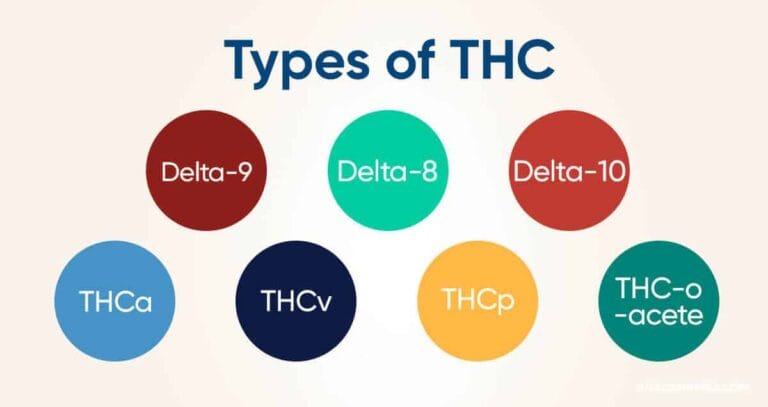
THCV (a naturally occurring cannabinoid), shares a molecular structure with THC, but the two compounds can result in significantly different biological effects. The study was not structured to assess whether CBC itself conferred therapeutic advantages. CBC is a cannabinoid that occurs naturally when cannabichromenic acid (CBCA) undergoes decarboxylation. Although CBN did not significantly enhance the primary outcome of wake time post-sleep onset (the 300-milligram dosage improved some secondary outcomes), such as perceived sleep quality and sleep-onset latency. Preliminary controlled studies involving humans revealed that CBN alone provided minimal evidence of the typical THC-like high — although it may impact some effects of THC when both are consumed together.
When traditional medications are not enough.
However, researchers are unable to draw broad conclusions regarding its efficacy. Moreover, this substance often impacts individuals in various ways. Certain U.S. states have enacted medical marijuana regulations that approve its use for managing symptoms of particular conditions. Additionally — different instances of marijuana usage can elicit various effects in the same individual. You could encounter experiences that differ from those of others. For instance, hash is produced from the resin of the cannabis plant, whereas weed is derived from the dried leaves and flowering sections of the same plant.

Our cannabis products range in strength to suit your needs so that you can maximize your experience & the benefits of weed. Some users may experience an episode of acute psychosis, which usually abates after six hours, but in rare instances, heavy users may find the symptoms continuing for many days. Side effects of THC can include red eyes — dry mouth, drowsiness, short-term memory impairment, difficulty concentrating, ataxia, increased appetite, anxiety, paranoia, psychosis (i.e., hallucinations, delusions), decreased motivation, and time dilation, among others. Its flowers contain hundreds of active chemical and therapeutic compounds (called cannabinoids), that can cause drug-like effects throughout the body, and terpenes, the part of a plant that produces the smell. The physical side effects of cannabis can vary and depend on several factors (including how the drug is ingested), frequency of use, and the metabolism and weight of the person.
Effects typically peak around 30 minutes and fade within 2 to 4 hours. This is best suited for daytime use and activities requiring concentration. Consuming raw THCa without applying heat will not result in an intoxicating effect. Most appropriately used during the day and for activities that require a light, elevated mental state.
But if you orally ingest cannabis, such as in a capsule or food, it may be several hours before you feel anything. The short-term effects of cannabis can also vary based on your method of consumption. Again, these effects are less common in products containing more CBD than THC. You can find cannabis products that contain just CBD — THC, or a combination of both. Today, more and more people are using the term cannabis to refer to weed.
If you speak with a frequent weed user, they are likely to express preferences regarding their favorite strains. THC and CBD represent just two categories of cannabinoids found in cannabis. Additionally (research is underway to determine its potential in alleviating various other conditions), such as Parkinson’s disease and schizophrenia. Following THC, CBD ranks as the second most prevalent compound in cannabis plants.