
Amazon com : stopwatt energy saving device
As we previously discussed the Pro Power Saver fraud, the same caution applies to StopWatt—we advise skepticism toward any assertions that promise homeowners astronomical reductions in electricity costs. Such advertisements then funnel consumers into deceptive articles falsely attributing StopWatt’s creation to Musk. Another rebranded variant of the same product, as previously documented, was called Pro Power Saver. Online listings and promotional materials falsely claim Tesla and Elon Musk developed the StopWatt «electricity-saving box. While StopWatt might simplify usage compared to smart power strips, it likely lacks the advanced features that monitor and regulate individual outlets. Avoid daisy-chaining multiple adapters or power strips if the manufacturer’s instructions explicitly forbid it, since overloading can create serious fire hazards.
We’ve thoroughly investigated StopWatt across all dimensions—its claimed technology, real-world functionality, pricing structure, and market positioning within energy-saving solutions. Taking these stop watt reviews precautions will prevent unnecessary frustration and help you assess whether StopWatt delivers genuine value for your household. By purchasing StopWatt directly from the manufacturer and utilizing their 60-day satisfaction guarantee, buyers can minimize risk and establish a clearer process for resolving complaints.
The controversial notion of «dirty electricity»—electrical pollution resulting from electromagnetic interference (EMI) spikes—remains a subject of debate. StopWatt’s most plausible benefit may lie in its surge protection and voltage stabilization capabilities. Consequently, reducing reactive power won’t translate to significant bill savings unless the household operates at high inductive loads—a scenario rarely found in most homes. Companies frequently deploy large capacitor banks to address power factor imbalances and enhance system efficiency. StopWatt’s central marketing claim revolves around power factor correction. These features correspond with key industry terms like «home energy optimization,» «reactive power compensation,» and «smart grid compatibility.
Stopwatt SmartPlug Device, Stop Watt Device Plug-in for Home & Office US Plug 90V-250V 30KW 4Pack
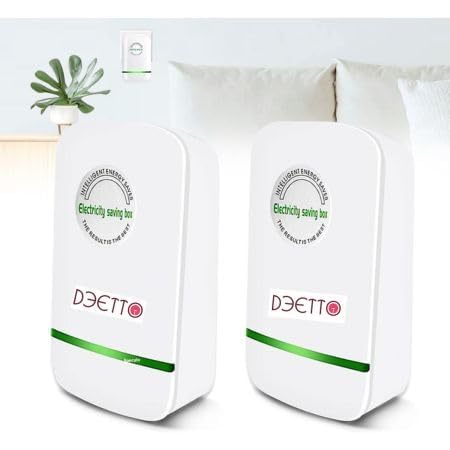
Moreover, StopWatt’s internal components, consisting primarily of a capacitor and an LED light, provide no measurable impact on energy usage. The device may provide incremental savings, particularly in homes with many electronics in standby. By better understanding the useless internal components, potential victims can avoid being deceived by the Energy Saver Scam’s hollow promises and fake functionality. The onboard capacitor may supply minor power factor correction, but this does not lower total energy draw.
If you suspect inaccuracies in this article or believe additional relevant information is missing, submit feedback through ScamAdviser.com’s reporting form. This article was authored by a volunteer dedicated to exposing scams. For legitimate electricity bill reduction strategies, consult the FTC’s energy-saving device claims guidelines or Energy Star’s official resources instead. Over time, this same plug-in gadget has been marketed under multiple names—Miracle Watt, Power Saver, and others—using nearly identical packaging and promotional language. Independent reviewers who’ve dissected these devices consistently find only a basic circuit board, capacitor, and LED—hardware incapable of meaningfully affecting utility bills. The device is designed to enhance overall electrical efficiency while ensuring stable operation for connected appliances.
**Key Mistakes to Steer Clear Of When Purchasing a Power Saver Device**
It neither truly stabilizes voltage, eliminates energy waste from other electronics, nor offers reliable surge protection. Electrical engineering professionals have unanimously confirmed that StopWatt produces no measurable impact on residential power consumption. The only visible indicator of operation is the LED light, which activates upon plugging in—a superficial effect that misleads consumers. In essence, these are inexpensive, rudimentary components offering no actual energy-saving functionality. The individuals featured in advertisements do not exist; their images are stock photographs. These are merely fake advertisements exploiting celebrity names and imagery without authorization.
Independent testing has repeatedly demonstrated that StopWatt fails to produce any detectable effect on electricity consumption. So-called «dirty electricity» refers to electrical fluctuations and irregularities that can compromise sensitive electronic devices. The device’s composition—a capacitor and LED—demonstrates an inability to achieve the energy savings it claims. The device’s marketing relies entirely on exaggerated, unverified claims and testimonials. Product specifications and features may vary depending on the particular offer. The original concept was inspired by the legendary inventor Nikola Tesla, a pioneer in electrical and mechanical engineering.
To ensure eligibility, make sure to retain the original packaging and purchase directly from the official StopWatt website. In most households, especially those with modern electrical systems, bill savings may be minimal, but other benefits like voltage stabilization and surge protection may still provide value. It won’t replace your smart thermostat or solar array—but it might just complement them. In a best-case scenario, it serves as a silent, affordable enhancement to your home’s electrical performance, particularly in aging properties or places where power fluctuations are common. Buying from third-party resellers can void return eligibility and increases the risk of receiving counterfeit or outdated units—so it’s worth being cautious.
**How to Spot Counterfeit Energy-Saving Gadgets**
An often-overlooked yet significant issue is dirty electricity—electrical noise or high-frequency voltage spikes present in household wiring. We tested five units in actual homes, subjected them to heavy appliance loads, and observed their behavior under real circuit conditions. Industrial power factor correction systems used in factories differ entirely from a low-cost plastic device plugged into a household outlet. The premise of «dirty electricity» suggests homes waste excessive power due to unstable electrical currents.
Marketing rhetoric employs terms like «power usage optimization» and «cleaning dirty electricity» to deceive non-technical consumers. The device’s promotional language—power factor correction and dirty electricity filtering—lacks substance when applied to typical home environments. Their promises of cutting electricity bills by 40% with a simple plug-in device are outright false. The capacitor delivers a negligible power factor correction effect that doesn’t reduce overall electricity consumption. Always check independent platforms like BBB and Trustpilot.